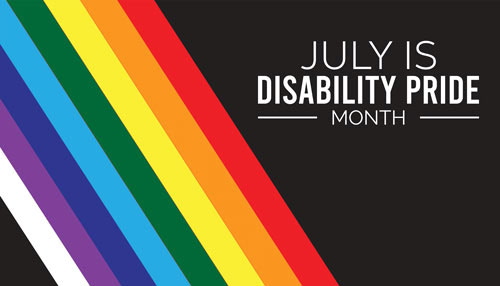
Every July, Disability Pride Month celebrates the history, achievements, and contributions of the more than 70 million Americans living with disabilities. It is a time to recognize that disability is a natural part of the human experience, not something to fear, hide, or pity.
But this year, Disability Pride Month carries a deeper urgency. We are way past awareness.
Many Americans don’t realize that people with disabilities have not always had the right to attend neighborhood schools, work alongside others, use public transportation, enter public buildings, or live independently in their own communities. For much of our nation’s history, many people with disabilities were isolated in institutions, separated from their families, and denied opportunities that most of us take for granted. Those injustices did not disappear on their own. They changed because people organized, protested, and demanded equal rights.
In 1973, Section 504 of the Rehabilitation Act became the nation’s first federal civil rights law protecting people with disabilities from discrimination by federally funded programs. It established a simple but powerful principle: disability should never be a reason to exclude someone from participating fully in society.
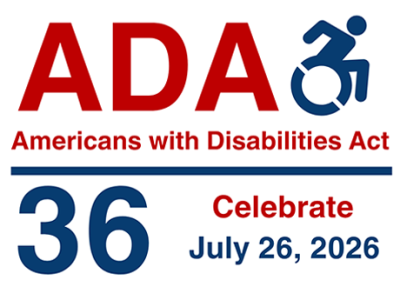
In 1990, the Americans with Disabilities Act (ADA) expanded those protections, prohibiting discrimination in employment, public services, transportation, and public accommodations. Every curb cut, accessible entrance, captioned video, workplace accommodation, and accessible restroom represents more than convenience for some. They represent a national commitment that disability should never be a barrier to participation.
Then, in 1999, the Olmstead v. L.C. decision by the U.S. Supreme Court affirmed another fundamental principle: when appropriate, people with disabilities have the right to receive services in their communities rather than being unnecessarily segregated in institutions. For millions of Americans, that decision helped make it possible to live at home, work, create and raise families, and remain connected to their communities instead of being separated from them.
These victories transformed lives. But civil rights are never self-sustaining.
Recent federal actions have raised significant concerns among disability advocates. The Department of Justice recently issued a legal opinion challenging the long-standing interpretation of Olmstead, arguing that federal disability laws do not require states to provide services in community settings. While this opinion does not change existing law by itself, advocates fear it could influence how federal agencies across different states enforce disability rights in the future.
At the same time, changes affecting Medicaid funding, discussions around expanding involuntary institutionalization, and shifting federal policy priorities have led many disability advocates and families to worry that decades of progress toward independent community living could be weakened. This is not simply a disability issue. It is a community issue. Almost every family will experience disability at some point in their life, through aging, illness, injury, military service, or the birth of a child with a disability. The laws that protect people with disabilities today may one day protect someone you love.
Disability Pride Month is not about asking for special treatment. It is about protecting equal opportunity, equal dignity, and equal participation. It is about ensuring that every person has the opportunity to live, learn, work, and contribute in the community they call home. The progress made over the past fifty years happened because people believed that every human being has inherent worth. That belief deserves our protection now more than ever.
As we celebrate Disability Pride Month and prepare to mark another anniversary of the Americans with Disabilities Act on July 26th, let’s remember that civil rights require more than celebration. They require vigilance.
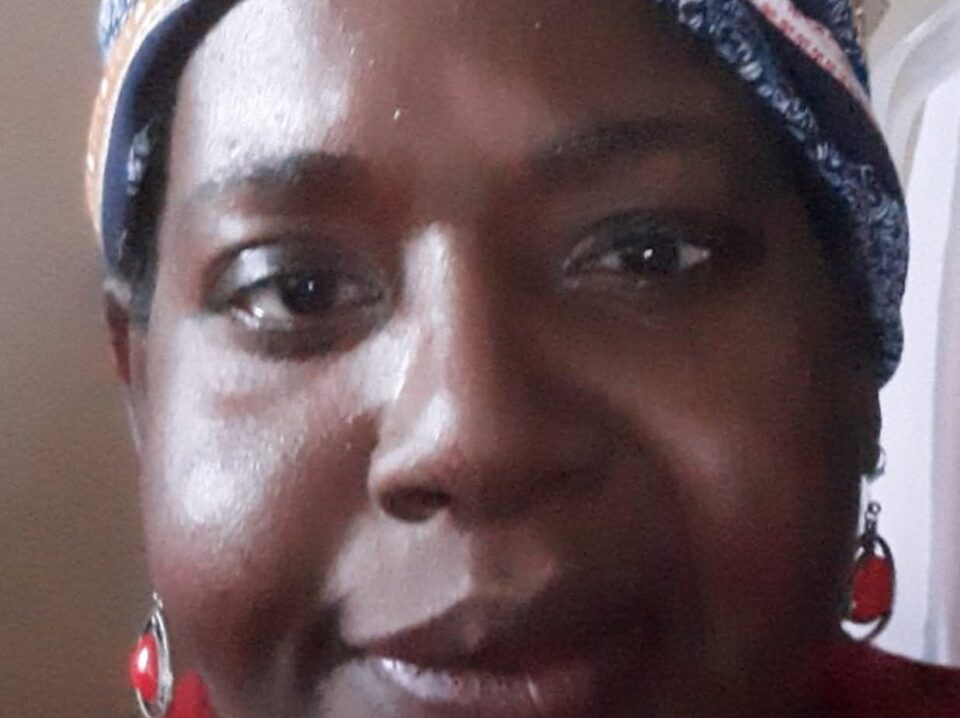
The question before us is not whether disability rights matter only to people with disabilities. The question is what kind of society we want to be. One that builds communities where everyone belongs. Or one that accepts turning back the clock on rights that generations fought to secure. Disability Pride Month reminds us that inclusion is not simply about ramps and parking spaces.It is about recognizing the dignity, value, and humanity of every person, including myself and my two sons.
Those principles are worth celebrating and they are also worth defending.